
Comparing Compression Sleeves vs. Braces for Achilles Tendonitis Support
Achilles tendonitis is a common and often painful condition that affects athletes and active individuals alike. Finding the right support can make a significant difference in recovery time and pain management. Two popular options for Achilles tendonitis support are compression sleeves and braces. Each offers unique benefits, and understanding these differences can help you choose the best solution for your needs.
If you’re considering a Sleeve Stars compression sleeve for achilles tendonitis, it’s important to understand how these sleeves compare to traditional braces.
What Are Compression Sleeves?
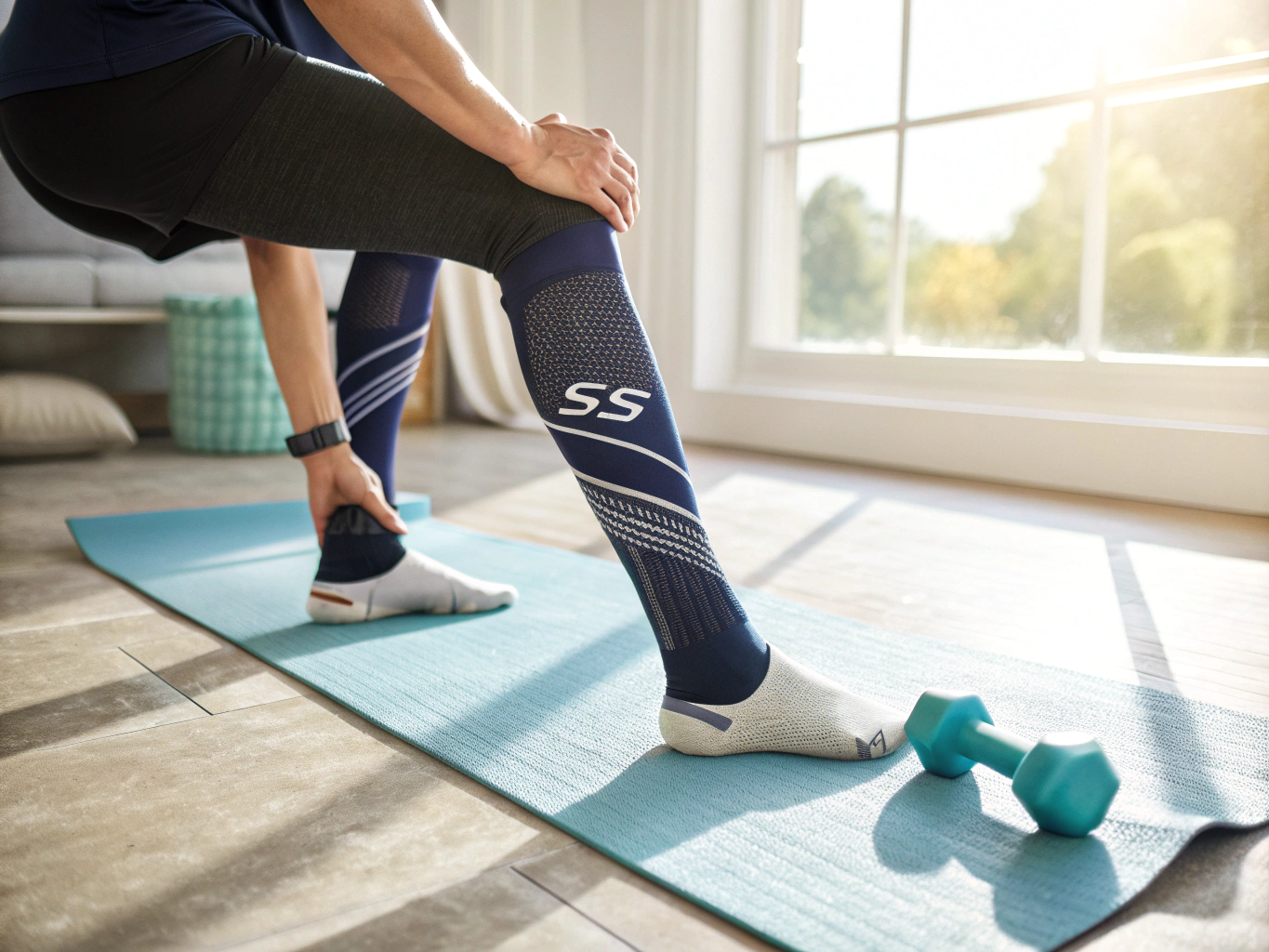
Compression sleeves are snug-fitting garments designed to apply gentle pressure around the Achilles tendon and surrounding muscles. This pressure improves blood circulation, reduces swelling, and supports the tendon during movement. Made from breathable, flexible materials, compression sleeves are lightweight and can comfortably fit inside most shoes.
Benefits of Compression Sleeves
- Improved Blood Flow: The gentle compression promotes better circulation, which can accelerate healing.
- Reduced Swelling: By limiting fluid buildup, sleeves help decrease inflammation and discomfort.
- Increased Comfort: Their flexible design allows for full range of motion without restricting movement.
- Convenience: Compression sleeves are easy to wear during daily activities and workouts.
What Are Braces?
Braces for Achilles tendonitis are typically more rigid devices designed to stabilize the ankle and limit excessive movement that might strain the tendon. They often feature adjustable straps or hinges to control motion and provide targeted support.
Benefits of Braces
- Motion Control: Braces restrict harmful movements that could aggravate the tendon.
- Enhanced Support: The structured design offers firm stabilization, which is useful during acute flare-ups.
- Customizable Fit: Many braces come with adjustable components to tailor support levels.
Compression Sleeves vs. Braces: Which Is Better for Achilles Tendonitis?
The choice between compression sleeves and braces depends largely on the severity of your condition and your lifestyle needs.
For Mild to Moderate Tendonitis: Compression sleeves are often recommended as the first line of defense. Their ability to enhance circulation while providing gentle support makes them ideal for managing pain during everyday activities and exercise. The Sleeve Stars compression sleeve for achilles tendonitis is a prime example of a product that balances comfort and therapeutic benefits effectively.
For Severe Cases or Flare-Ups: Braces may be more appropriate when you need to immobilize and protect the tendon from excessive stress. By limiting ankle movement, braces help prevent further injury and allow the tendon to rest, which is crucial during acute phases of inflammation.
Considerations for Use
- Activity Level: Compression sleeves are better suited for active individuals who require support without sacrificing mobility.
- Comfort: Sleeves generally offer greater comfort and breathability, making them preferable for long-term wear.
- Recovery Goals: If your priority is to limit movement and promote healing during rest, braces provide more rigid support.
Final Thoughts
Both compression sleeves and braces have their place in the management of Achilles tendonitis. For ongoing support that encourages circulation and reduces swelling, compression sleeves like those from Sleeve Stars are excellent. However, if you’re dealing with more severe pain or instability, braces may be necessary to protect and stabilize the tendon.
Ultimately, consulting with a healthcare professional can help determine the most appropriate support method based on your specific condition. Incorporating the right support device into your recovery plan can speed healing and get you back on your feet more comfortably and confidently.