
by Angie Lynn | Nov 4, 2025 | Blog
The Science Behind Ankle Compression Sleeves: How They Improve Circulation
Whether you’re an athlete, someone recovering from an injury, or simply looking to enhance your daily comfort, ankle compression sleeves have become a popular solution for supporting foot health. These sleeves are designed to apply gentle, graduated pressure around the ankle, which can significantly improve blood flow and reduce discomfort. If you’re ready to upgrade your support with Sleeve Stars ankle compression sleeve, understanding the science behind how they work can help you make an informed choice.
What is an Ankle Compression Sleeve?
An ankle compression sleeve is a snug-fitting garment made from elastic materials that wrap around the ankle joint. Unlike bulky braces, these sleeves provide targeted compression that enhances circulation without limiting movement. The compression is typically graduated, meaning it’s tighter at the ankle and gradually lessens up the leg. This design promotes venous return—the flow of blood back to the heart—which is essential for reducing swelling and fatigue.
How Compression Improves Circulation
The Role of Venous Return
Blood circulation in the lower limbs relies heavily on the efficiency of veins returning blood to the heart. Gravity naturally causes blood to pool in the feet and ankles, especially during prolonged standing or sitting. Ankle compression sleeves counteract this by exerting pressure that helps push blood upward through the veins. This mechanism is crucial for preventing conditions like edema (swelling) and venous insufficiency.
Reducing Inflammation and Swelling
When the tissues around the ankle become inflamed due to injury or overuse, fluid can accumulate, causing swelling and discomfort. By improving circulation, compression sleeves facilitate the removal of excess fluid and inflammatory byproducts from the tissues, speeding up recovery. This is why many healthcare professionals recommend ankle compression sleeves for conditions such as plantar fasciitis, sprains, and arthritis.
Supporting Muscle Function
Improved blood flow means muscles receive more oxygen and nutrients, which enhances their ability to perform and recover. Compression sleeves also provide proprioceptive feedback, which can aid in stabilizing the ankle during physical activity and reduce the risk of injury. This combination of benefits makes ankle compression sleeves valuable not only for recovery but also for performance optimization.
Choosing the Right Ankle Compression Sleeve
When selecting an ankle compression sleeve, consider factors such as material quality, fit, and the level of compression. A sleeve that is too tight can restrict circulation, while one that is too loose won’t provide adequate support. Products like the Sleeve Stars ankle compression sleeve are designed to balance comfort and effectiveness, making them a reliable choice for daily wear or post-exercise recovery.
In conclusion, ankle compression sleeves are more than just supportive accessories—they are scientifically designed tools that enhance circulation, reduce swelling, and promote faster healing. Whether you’re managing foot pain or aiming to improve athletic performance, incorporating an ankle compression sleeve into your routine can make a significant difference in your overall foot health.

by Angie Lynn | Nov 4, 2025 | Blog
Seasonal Guide: Wearing Onesies Year-Round with Opposuits
Onesies have long been celebrated for their comfort and quirky style, but thanks to brands like Opposuits, they’ve evolved into a fashion statement fit for every season. Whether you’re lounging at home, attending a themed party, or just want to inject some fun into your wardrobe, the Opposuits onesie collection offers vibrant, playful designs that suit any time of year.
Why Choose an Opposuits Onesie?
Opposuits is renowned for its bold patterns and high-quality fabrics, making their onesies both eye-catching and durable. Unlike traditional onesies that might feel bulky or one-dimensional, Opposuits combines comfort with street-smart style. Their designs are versatile enough to wear in different climates and occasions, ensuring you never have to tuck your onesie away when the seasons change.
Spring: Light Layers and Fresh Prints
Spring calls for transitional pieces. An Opposuits onesie made from lightweight materials is perfect for those unpredictable days when it’s chilly in the morning and warm by afternoon. Opt for onesies featuring bright florals, pastel hues, or whimsical patterns to match the season’s rejuvenating spirit. Pair your onesie with a denim jacket or a breathable hoodie for extra warmth without sacrificing mobility.
Summer: Stay Cool Without Compromising Style
While onesies are often thought of as cozy winterwear, Opposuits offers styles crafted from breathable fabrics that keep you cool during summer festivities. Their moisture-wicking properties help manage sweat, making these onesies ideal for outdoor events or festivals. Choose vibrant, tropical prints or bold geometric patterns to amplify your summer vibe. Roll up the sleeves or wear your onesie open over a tank top for a casual, cool look.
Fall: Embrace Cozy Comfort
As the leaves change and temperatures drop, the allure of a warm onesie grows stronger. Opposuits onesies in richer hues like deep reds, forest greens, and classic plaids blend seamlessly with fall aesthetics. Layer your onesie with a turtleneck or thermal undershirt to stay snug during crisp evenings. Footwear like boots or high-top sneakers complement the look while adding extra warmth.
Winter: Ultimate Warmth and Festive Flair
Winter is the natural season for onesies, and Opposuits delivers with their thicker, insulated options. Whether you’re cozying up by the fire or attending a holiday party, these onesies offer warmth without bulk. Their festive patterns—think snowflakes, reindeer, or bold holiday prints—make them perfect conversation starters. Pair with fuzzy slippers indoors or waterproof boots if you’re braving the snow outdoors.
Styling Tips for Year-Round Onesie Wear
- Accessorize Smartly: Add hats, scarves, or funky socks to personalize your look and adjust for the season.
- Layer Wisely: Use layers underneath or over your onesie to adapt to temperature changes without compromising comfort.
- Mix and Match: Don’t hesitate to pair your onesie with jackets or vests for added texture and style.
- Footwear Choices: Sneakers, boots, or slippers can dramatically change your onesie’s vibe depending on the occasion.
With Opposuits’ unique designs and thoughtful fabric choices, you can confidently wear your onesie throughout the year. The key is to adapt your styling and layering to the season’s demands, ensuring you stay comfortable and fashionable no matter the weather.
Ready to elevate your wardrobe with a splash of fun and versatility? Explore the Opposuits onesie collection and find your perfect all-season companion today!
by Angie Lynn | Nov 4, 2025 | Blog
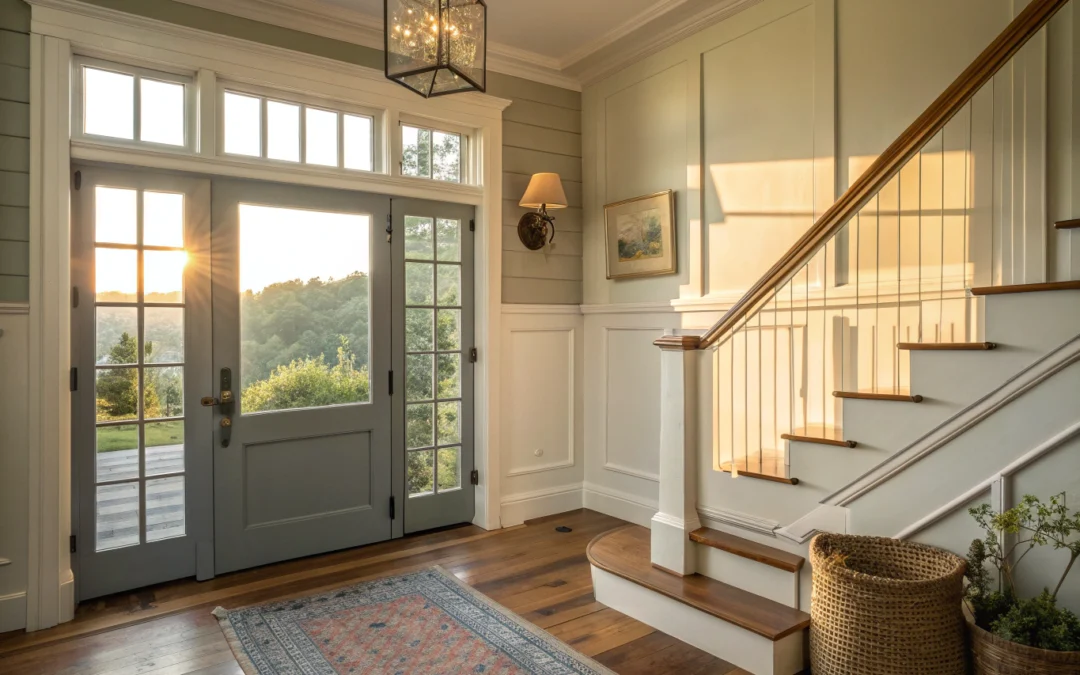
Benefits of Adding Stairs Panelling to Increase Home Value
When it comes to home improvements that combine aesthetics and value, best stairs panelling offers a timeless solution. Stairs panelling not only elevates the look of your staircase but also adds architectural interest that can significantly boost your home’s market appeal.
Why Choose Stairs Panelling?
Staircases are often the centerpiece of a home’s interior, connecting multiple floors and creating a natural focal point. Adding panelling to your stairs enhances this feature by introducing texture, depth, and style. Unlike simple painted walls or bare banisters, stairs panelling brings a handcrafted, sophisticated feel that resonates with potential buyers and guests alike.
Enhances Aesthetic Appeal
Stairs panelling comes in various styles—from traditional raised panels to sleek modern designs—allowing homeowners to tailor the look to their existing decor. This versatility means you can create a warm, inviting atmosphere or a contemporary statement with ease. The detailed craftsmanship often found in quality panelling adds character and charm, transforming an ordinary staircase into a stunning architectural feature.
Increases Perceived Home Value
Investing in stairs panelling can elevate the perceived value of your home. Buyers often appreciate well-thought-out interior details that suggest quality and care. Panelling reflects a level of finish and attention that implies durability and style, which can make your property stand out in a competitive market. Even simple upgrades like adding decorative panels can provide a strong return on investment.
Durability and Protection
Beyond aesthetics, stairs panelling also serves a practical purpose. It protects the walls adjacent to your staircase from scuffs, dents, and general wear and tear, especially in high-traffic homes. This added durability means less frequent repairs or repainting, preserving the fresh, clean look for years to come.
Customizable and Easy to Maintain
Modern stairs panelling options are designed for easy installation and maintenance. Many products come pre-finished or ready to paint, allowing for quick customization. Maintenance usually involves simple cleaning and occasional touch-ups, which makes it a hassle-free way to keep your home looking sharp and well-kept.
Final Thoughts
Incorporating stairs panelling into your home design is a smart investment that combines beauty, functionality, and increased property value. Whether you prefer classic or contemporary styles, the right panelling can refresh your staircase and leave a lasting impression on visitors and prospective buyers. For homeowners looking to enhance their interiors with a stylish upgrade, exploring the best stairs panelling options available is an excellent place to start.
by Angie Lynn | Nov 4, 2025 | Blog
Transform Your Living Space with Stylish Media Wall Panels
In today’s modern homes, the living room or entertainment area often serves as the heart of family gatherings, movie nights, and social events. One of the most effective ways to elevate these spaces is through the use of media wall panels. These design elements not only add aesthetic appeal but also functionally organize your media devices, cables, and accessories in a sleek and stylish manner.
What Are Media Wall Panels?
Media wall panels are specially designed wall installations that provide a dedicated surface to mount televisions, speakers, and other entertainment equipment. Instead of having devices scattered or relying on bulky furniture, these panels create a centralized and visually cohesive setup. They come in various materials, textures, and finishes—allowing you to tailor the look to your personal style and the existing décor of your home.
The Functional Benefits
One of the primary advantages of media wall panels is their ability to conceal unsightly cables and wires, which often clutter entertainment centers. By integrating cable management systems behind the panels, the technology is hidden from view, resulting in a clean, minimalist appearance. This also makes maintenance and upgrades easier since everything is organized within one accessible area.
Additionally, these panels can incorporate shelving, cabinetry, or niches for devices such as gaming consoles, soundbars, and streaming boxes. This built-in storage helps reduce the need for additional furniture, optimizing floor space and contributing to a more open, airy room.
Design Options and Materials
Media wall panels can be crafted from a wide range of materials, from natural wood and veneer to engineered MDF and laminate. Wood panels offer warmth and texture, bringing a cozy, organic feel that complements rustic or traditional interiors. In contrast, high-gloss or matte laminate panels provide a modern, sleek look perfect for contemporary spaces.
Customization and Style
One of the exciting aspects of media wall panels is their versatility in design. Many providers offer customizable options, allowing you to select colors, finishes, and configurations that suit your space and preferences. Some designs incorporate LED lighting, creating ambient backlighting that enhances the viewing experience and adds a dramatic flair.
For those who prioritize acoustics, certain panels come with sound-absorbing properties, improving audio quality by minimizing echoes and reverberation. This makes them ideal for home theaters or music rooms where sound performance is paramount.
Installation Considerations
While media wall panels are typically designed for straightforward installation, it’s important to consider the room’s layout, wall type, and existing wiring before proceeding. Many companies offer professional installation services to ensure the panels are securely mounted and cable management is properly handled.
Planning is key—decide the optimal viewing height for your television, the placement of speakers, and accessibility for devices. This upfront thought will maximize both functionality and comfort.
Why Choose Media Wall Panels for Your Home?
Investing in media wall panels offers a blend of practicality and style that traditional entertainment furniture often lacks. By streamlining your media setup, you create a focal point in your living space that’s both beautiful and functional. Whether you prefer a minimalist design or a feature-rich media center, these panels can be adapted to meet your needs.
If you’re looking to refresh your entertainment area or transform an unused wall into a stunning media hub, exploring media wall panels is a smart move. To learn more about the different designs, materials, and benefits, visit the detailed guide on media wall panels.
Conclusion
Media wall panels represent a forward-thinking approach to interior design and home entertainment. They offer seamless integration of technology with décor, reducing clutter and enhancing the overall ambiance of your space. With countless styles and customization options available, these panels are an ideal solution for anyone seeking to elevate their home entertainment experience while maintaining a clean, sophisticated look.
by Angie Lynn | Nov 4, 2025 | Blog
Maximizing Your Workspace with a Small Corner Desk
In today’s world, where home offices and multi-functional rooms are becoming the norm, finding the perfect desk that fits both your space and needs can feel like a challenge. Enter the small corner desk—a smart and stylish solution that optimizes even the tightest spaces while offering maximum functionality. If you’re considering an upgrade to your workspace, this guide will explore why a small corner desk might be exactly what you need.
Why Choose a Small Corner Desk?
Small corner desks are uniquely designed to utilize often overlooked corners in your room, turning them into productive work zones. This design not only conserves valuable floor space but also helps to reduce clutter by offering multiple storage options in a compact form. Whether you live in a studio apartment, have a dedicated home office, or need an efficient workspace in a bedroom or living area, a corner desk can adapt effortlessly to your environment.
One key advantage is the ergonomic benefit: by positioning your desk in a corner, you can create a cozy and focused nook that minimizes distractions. This setup often allows for better cable management and easier access to peripherals, as well as a more natural workflow since everything is within arm’s reach.
Styles and Materials to Suit Every Taste
Small corner desks come in a variety of designs to fit any interior style. From sleek, minimalist metal frames with glass tops to warm, traditional wooden finishes, there is a desk to complement your aesthetic. Some popular materials include:
- Solid wood: Offers durability and a classic look, often with built-in drawers or shelves.
- Metal and glass: Perfect for modern or industrial designs, these desks are lightweight and visually open.
- Composite wood with laminate: A budget-friendly option that mimics natural wood while being easy to clean.
When selecting your desk, consider how the material and design will complement your existing décor and how much storage you need for your work essentials.
Maximizing Functionality in a Compact Space
A small corner desk doesn’t mean sacrificing utility. Many models come equipped with smart features such as built-in shelves, drawers, or even keyboard trays, allowing you to keep your workspace tidy and efficient. Here are some tips to maximize functionality:
- Use vertical space: Add wall-mounted shelves or pegboards above your desk to store books, supplies, or decorative items.
- Keep essentials at hand: Organize your most-used items in drawers or desktop organizers to reduce clutter.
- Choose compact accessories: Opt for smaller monitors, wireless peripherals, and multi-use gadgets to keep your desk surface clear.
By thoughtfully organizing your corner desk, you can create an inviting and productive work environment no matter how limited your space is.
Placement and Lighting Considerations
Placing a desk in a corner naturally maximizes floor space, but lighting can sometimes be a concern. To avoid working in shadows or straining your eyes, consider these lighting tips:
- Natural light: Position your desk near a window if possible, but avoid glare on your screen.
- Task lighting: Invest in an adjustable desk lamp with warm, focused light to illuminate your work area.
- Ambient lighting: Use overhead or wall-mounted fixtures to provide general illumination without harsh contrasts.
Good lighting will not only enhance productivity but also create a comfortable atmosphere that keeps you motivated throughout the day.
Final Thoughts
Whether you’re setting up a dedicated home office, a study nook, or just a spot for occasional work or hobbies, a small corner desk offers an excellent balance of space efficiency, style, and functionality. By carefully selecting the right design, materials, and accessories, you can transform an often-unused corner into a personalized productivity hub.
For detailed tips and inspiration on choosing the ideal small corner desk, be sure to visit Roomix’s blog on small corner desks. Your perfect workspace might just be waiting in that overlooked corner of your room!