
by Angie Lynn | Nov 6, 2025 | Blog
Why a Wood Coffee Table Round is the Perfect Addition to Your Living Room
When it comes to choosing the right coffee table, the wood coffee table round has steadily gained popularity for its unique blend of functionality and style. Not only does it offer a softer, more organic look compared to sharp-edged tables, but it also brings warmth and versatility to any living space. If you’re looking to elevate your home décor, understanding the benefits and design tips surrounding round wooden coffee tables can be a game-changer. For a deeper dive into this topic, check out the detailed guide on wood coffee table round.
The Charm of Round Wooden Coffee Tables
Round coffee tables have an undeniable charm that instantly creates a cozy, inviting ambiance. Unlike rectangular or square tables, round tables lack corners, which softens the visual impact and promotes better flow within a room. This makes them especially ideal for smaller spaces or rooms with unconventional layouts. When crafted from wood, these tables bring a natural element into the home, enhancing warmth and texture.
Why Choose Wood?
Wood as a material is timeless. It ages beautifully and can be refinished or restored over time, making it a sustainable choice. Different wood types, from oak and walnut to maple and teak, offer various grains and hues, allowing you to pick a style that best fits your aesthetic. The durability of wood also means your coffee table can withstand daily use while maintaining its charm.
Design Considerations for Your Round Wood Coffee Table
Size and Scale
Choosing the right size is crucial. A coffee table that’s too large can overwhelm a room, while one too small might seem lost in the space. As a general rule, the table should be about two-thirds the length of your sofa and positioned roughly 18 inches away from seating for easy access.
Style and Finish
Wood coffee tables come in a variety of finishes—from rustic and distressed to sleek and polished. A distressed finish can add character and a vintage feel, perfect for farmhouse or eclectic interiors, whereas smoother finishes suit modern and minimalist designs. Consider the existing décor of your room to select a finish that complements rather than clashes.
Functionality
Many round wood coffee tables offer additional features like lower shelves or built-in storage. These are practical for keeping magazines, remote controls, or decorative items neatly organized. Additionally, the round shape is safer in homes with children, as it minimizes sharp edges that can cause injuries.
Styling Tips for Your Round Wood Coffee Table
Layering and Accessories
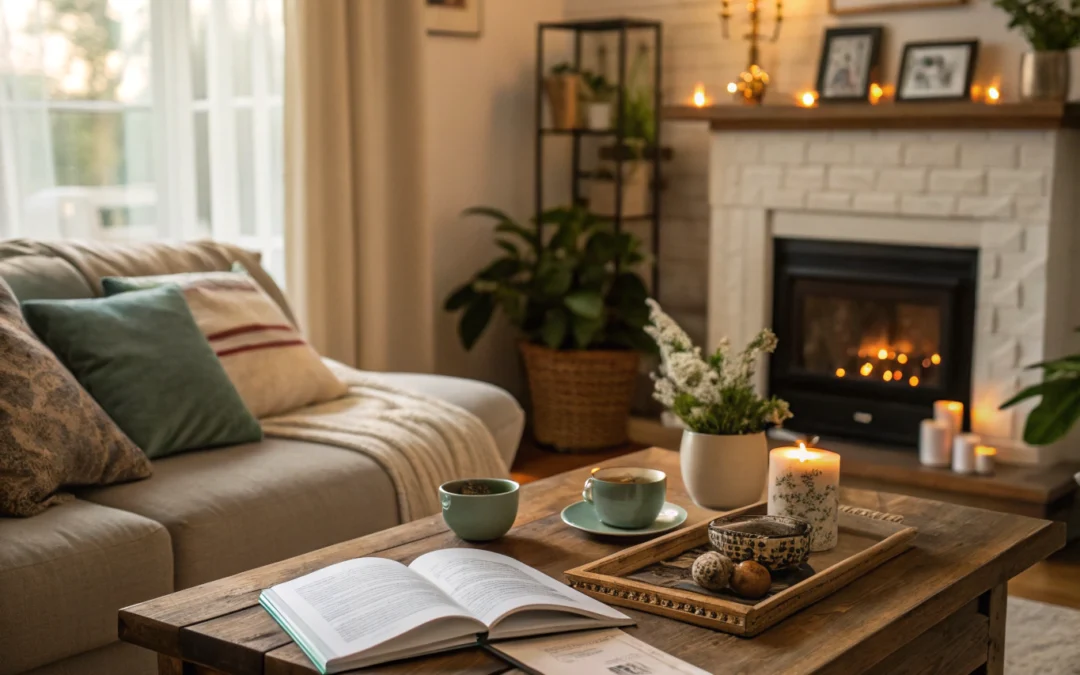
Styling your coffee table is where you can express your personality. Start with a tray to organize smaller items and add visual interest. Books, candles, vases, and small plants work well as complementary accessories. Because the shape is round, avoid overcrowding the table to keep the space feeling open and balanced.
Pairing with Sofas and Chairs
Round wooden coffee tables work beautifully with curved sofas or armchairs, enhancing the fluidity of the room. However, they can also provide an appealing contrast to angular furniture, softening the overall look. When mixing shapes, consider the colors and materials to ensure harmony.
Maintaining Your Wood Coffee Table Round
To keep your wooden coffee table looking its best, regular maintenance is key. Dust frequently with a soft cloth and wipe spills immediately to prevent stains. Depending on the finish, occasional polishing or applying wood conditioner can protect the surface and preserve its natural beauty.
Conclusion
A round wood coffee table is more than just a place to set your cup of coffee—it’s a central piece that can define the style and feel of your living room. Its organic shape, combined with the timeless appeal of wood, brings warmth, safety, and versatility to your home. Whether you favor rustic charm, modern sleekness, or something in between, a wood coffee table round fits seamlessly into any design vision.
For more insights and detailed tips on selecting and styling the perfect wood coffee table round, visit this comprehensive guide.

by Angie Lynn | Nov 6, 2025 | Blog
Transform Your Space with Elegant Living Room Panelling
When it comes to elevating the aesthetic and atmosphere of your living room, few design elements can match the timeless appeal of living room panelling. This classic architectural feature not only adds texture and depth to your walls but also infuses the space with character and sophistication. Whether you’re aiming for a traditional, modern, or eclectic vibe, panelling offers versatile options that can be tailored to your personal style.
Why Choose Living Room Panelling?
Panelling is more than just a decorative addition; it serves as a transformative design element that can redefine your living room’s entire look and feel. One of the primary benefits of panelling is its ability to introduce architectural interest without overwhelming the room. It creates a subtle yet impactful backdrop that complements furniture, artwork, and other decor elements.
Moreover, panelling can help protect your walls from everyday wear and tear, making it a practical choice for busy living spaces. It also offers an opportunity to experiment with colors, textures, and finishes, allowing you to create a space that feels uniquely yours.
Types of Living Room Panelling
When considering living room panelling, it’s essential to familiarize yourself with the various styles available to find the perfect match for your home:
- Raised Paneling: This traditional style features central panels that are raised above the surrounding frame, offering a classic and elegant look. It’s ideal for those who appreciate timeless design with a hint of formality.
- Flat Paneling: With a more streamlined and contemporary appeal, flat panels consist of recessed or flush panels that create clean lines and a minimalist aesthetic.
- Beadboard Paneling: Characterized by narrow, vertical planks with a distinctive bead or groove between them, beadboard adds texture and charm, perfect for cottage or coastal-inspired interiors.
- Wainscoting: This refers to panelling applied to the lower portion of a wall, typically topped with a chair rail. Wainscoting combines decoration with practical protection and can be adapted to many styles.
Choosing the Right Material and Finish
The choice of material significantly impacts the overall look and longevity of your panelling. Traditional wood remains a popular choice, offering warmth and natural beauty. Depending on your budget and desired finish, you may opt for solid hardwood, engineered wood, or MDF (medium-density fiberboard), which is cost-effective and easy to paint.
Finishes can range from natural stains that highlight the wood grain to painted surfaces that provide a sleek, modern feel. Matte, satin, or glossy finishes each bring a different ambiance, so be sure to consider the mood you want to create in your living room.
Design Tips for Incorporating Panelling
Successfully integrating panelling into your living room design requires thoughtful planning. Here are some practical tips to guide you:
- Balance is Key: If your living room is small, consider using panelling on a single accent wall rather than all four walls to avoid overwhelming the space.
- Coordinate with Existing Decor: Match the style of panelling with your furniture and accessories to create a cohesive look. For instance, traditional raised panels pair well with classic furnishings, while flat panels complement modern interiors.
- Play with Color: Don’t shy away from bold or unexpected colors. Dark hues can add drama and sophistication, while lighter shades brighten the room and enhance an airy feel.
- Incorporate Lighting: Highlight the textures and details of your panelling with well-placed lighting, such as wall sconces or picture lights.
DIY vs. Professional Installation
While some homeowners may feel confident installing panelling themselves, professional installation ensures precision and durability, especially for intricate designs. Hiring an expert can save time and help avoid costly mistakes, resulting in a polished and long-lasting finish.
Conclusion
Living room panelling is a versatile and stylish way to bring depth, warmth, and personality to your home. From classic raised panels to sleek flat designs, the options are abundant and adaptable to any aesthetic. By carefully selecting the style, material, and finish that suit your space, you can create a stunning focal point that enhances your living room’s character and charm.
For a deeper dive into the world of living room panelling and inspiration to get started on your own project, explore the full guide at living room panelling.
by Angie Lynn | Nov 6, 2025 | Blog
The Essential Guide to Primer for Walls
When it comes to painting your walls, the importance of using a primer cannot be overstated. Whether you’re refreshing your living room or tackling a full home makeover, understanding how to properly use a primer can make all the difference in achieving a professional, long-lasting finish. For a detailed breakdown, check out this comprehensive primer for walls guide, which explains the fundamentals and benefits in a straightforward way.
Why Use Primer?
Primer acts as a preparatory coating that is applied before painting. Its primary role is to create a smooth, uniform surface that helps paint adhere better and last longer. Without primer, paint may peel, streak, or show uneven color, especially if you’re painting over a surface that is stained, glossy, or has never been painted before.
Think of primer as the foundation for your paint job—it seals porous surfaces, blocks stains, and evens out the texture. This step is particularly critical on new drywall, wood, or patched surfaces, where the material can absorb paint unevenly. Using primer minimizes the number of paint coats needed, ultimately saving you time and money.
Types of Primers and Their Uses
Choosing the right primer depends on the surface and the project goals. Here are some common types:
- Latex Primer: Water-based and easy to clean up, latex primers are versatile and work well on drywall and softwoods.
- Oil-Based Primer: Known for superior stain blocking and adhesion, oil-based primers are ideal for covering knots in wood or tough stains like smoke or water damage.
- Shellac Primer: Excellent at sealing and blocking odors, shellac primers dry quickly but require solvent cleanup.
- Stain-Blocking Primer: Designed specifically to prevent difficult stains (like ink, rust, or tannins) from bleeding through your paint.
Understanding the right primer to use can help you avoid common issues like peeling paint or visible stains, and it’s well worth the investment.
How to Apply Primer Correctly
Applying primer is straightforward but requires a few key steps to ensure the best outcome:
- Prepare the Surface: Clean the wall thoroughly to remove dust, grease, or any loose paint. Sand rough areas smooth.
- Protect Surroundings: Use painter’s tape and drop cloths to guard trim, floors, and furniture.
- Choose the Right Tools: Depending on your wall texture, brushes, rollers, or sprayers can be used. Rollers are often preferred for large flat surfaces.
- Apply Evenly: Use consistent strokes and avoid overloading your brush or roller to prevent drips and uneven coverage.
- Allow Proper Drying Time: Follow the primer manufacturer’s recommended drying time before applying paint. This ensures proper adhesion and finish quality.
Remember, patience at this stage pays off with a smoother paint job and better durability.
When You Might Skip Primer
While primer is generally recommended, there are exceptions. If you’re repainting a wall with a similar color and the surface is already in good condition, some modern paints labeled “paint and primer in one” may suffice. However, these paints tend to work best on walls that are clean, undamaged, and not prone to staining.
For drastic color changes, damaged surfaces, or any wall with stains or repairs, skipping primer is usually a mistake that can lead to disappointing results.
Final Thoughts
Investing time in properly priming your walls sets the stage for a beautiful, durable paint finish. It’s a small step that yields significant returns—better coverage, fewer coats of paint, and a finish that lasts for years.
For those new to painting or anyone looking to brush up on their skills, the primer for walls resource offers an excellent, detailed primer on primers, helping you understand which types to use and how to apply them effectively.
So next time you pick up a paintbrush, remember: primer isn’t just a step in the process—it’s the foundation of success for your painting project.

by Angie Lynn | Nov 5, 2025 | Blog
Enhance Your Space with Acoustic Wood Panels
In today’s world, where open-concept designs and bustling environments are common, managing sound quality has become more important than ever. Whether you’re creating a home office, a podcast studio, or a cozy living room, controlling acoustics can dramatically improve your experience. One stylish and effective solution gaining popularity is the use of acoustic wood panels. These panels not only help tame unwanted noise and echoes but also add a warm, natural aesthetic to any room.
What Are Acoustic Wood Panels?
Acoustic wood panels are specially designed wall or ceiling treatments that combine the natural beauty of wood with sound-absorbing materials to improve a room’s acoustics. Unlike traditional soundproofing methods that can be bulky or unattractive, acoustic wood panels serve a dual purpose: they enhance sound quality while acting as a design element. These panels typically feature a wooden front layer with perforations or grooves and an underlying layer of sound-absorbing material such as mineral wool or foam.
How Do They Work?
Sound waves bounce around hard surfaces, creating echoes and reverberations that can interfere with clarity and comfort. Acoustic wood panels absorb and diffuse these sound waves, reducing reverberation time and background noise. The perforations or patterns in the wood surface allow sound to penetrate the panel, where the underlying absorbent material dissipates the sound energy. This process leads to a more balanced and pleasant sound environment.
Benefits of Using Acoustic Wood Panels
Improved Sound Quality
Whether you’re recording a podcast, watching movies, or simply enjoying a conversation, acoustic wood panels help create an environment where speech and music sound clear and natural. By controlling echoes and reducing noise pollution, these panels enhance the overall audio experience.
Elegant Aesthetic Appeal
Wood naturally adds warmth and texture to a space, and these panels are no exception. Available in various wood species, finishes, and patterns, acoustic wood panels can complement modern, rustic, or traditional décor. They become a subtle yet striking focal point in any room.
Easy Installation and Customization
Many acoustic wood panels are designed for straightforward installation, often coming as modular units that can be arranged in creative configurations. This modularity allows homeowners and designers to tailor the look and acoustic properties to the specific needs of the space.
Eco-Friendly Choice
Wood is a renewable, biodegradable resource, and many acoustic panels are made from sustainably sourced timber. Choosing acoustic wood panels can be an environmentally responsible decision, especially when paired with non-toxic adhesives and finishes.
Applications: Where to Use Acoustic Wood Panels
The versatility of acoustic wood panels makes them suitable for various settings, including:
- Home Studios and Podcast Rooms: Achieve professional sound quality by reducing echo and background noise.
- Living Rooms and Dining Areas: Improve speech clarity during gatherings and create a cozy ambiance.
- Offices and Conference Rooms: Enhance communication by minimizing distracting noise.
- Restaurants and Cafés: Control noise levels to improve guest comfort.
Choosing the Right Acoustic Wood Panels for Your Space
When selecting acoustic wood panels, consider the following factors:
- Wood Species and Finish: Different woods offer varied textures and colors, so choose one that complements your décor.
- Panel Thickness and Density: These affect sound absorption capabilities; thicker panels generally absorb lower frequencies more effectively.
- Design and Pattern: The arrangement of perforations and grooves influences both appearance and acoustic performance.
- Room Size and Usage: Larger spaces or rooms with high ceilings may require more or larger panels for optimal effect.
Conclusion
Acoustic wood panels offer a beautiful and functional way to improve sound quality in any environment. By merging the natural elegance of wood with advanced acoustic technology, they provide a thoughtful solution for noise control without sacrificing style. Whether you’re a content creator, homeowner, or business owner, these panels can transform your space into one that sounds as good as it looks.
For a deeper dive into the benefits and options available, check out this comprehensive guide on acoustic wood panels.

by Angie Lynn | Nov 5, 2025 | Blog
Maximizing Your Space: Clever Ideas to Shelf Small Areas
Living in a compact space often means making the most out of every inch, especially when it comes to storage. Whether you’re in a cozy apartment, a tiny house, or just dealing with limited wall space, smart shelving solutions can be a game-changer. If you’ve ever thought, “I wish I had more room for my books, plants, or decor,” you’re not alone. Thankfully, the art of shelving small spaces is full of creative options that help you stay organized without sacrificing style. For a deeper dive into these ideas, check out this comprehensive guide on shelf small.
Why Shelving Small Spaces Matters
Small spaces demand intentional design. When floor space is limited, walls become your best friend. Utilizing vertical space through shelves can open up the area dramatically. It not only helps keep clutter at bay but also highlights your personality with curated displays. From floating shelves to corner units, the right shelving can transform a cramped room into a functional and inviting sanctuary.
Top Tips for Shelving Small Spaces
1. Choose Floating Shelves for a Modern Touch
Floating shelves are a minimalist’s dream. They attach directly to the wall without visible brackets, creating a sleek, airy look. Because they don’t take up floor space, they’re perfect for narrow hallways, bathrooms, or above desks. You can stack multiple floating shelves vertically to maximize storage without overwhelming the room.
2. Utilize Corners with Corner Shelves
Corners are often overlooked, but they provide excellent opportunities for extra storage. Corner shelves fit snugly into these spaces, transforming dead zones into useful nooks. These are especially handy in kitchens or living rooms where you can display plants, cookbooks, or collectibles.
3. Go Tall: Make Use of Vertical Space
When floor space is scarce, think upwards. Tall shelving units or wall-mounted shelves that stretch close to the ceiling help you leverage vertical space. Consider adding a stylish ladder or step stool for easy access to higher shelves, turning storage into an eye-catching feature.
4. Mix Open and Closed Storage
Combining open shelves with closed cabinets or baskets can balance aesthetics with practicality. Open shelving lets you showcase your favorite items, while closed storage hides clutter. This approach keeps your space looking neat and intentional.
5. Keep It Lightweight and Modular
In small spaces, heavy or bulky shelving can feel oppressive. Opt for lightweight materials like metal or wood with clean lines. Modular shelves that can be rearranged or expanded are also a great investment, allowing your storage to evolve with your needs.
Creative Ideas for Small Space Shelving
Use Underutilized Spaces
Think under the stairs, above door frames, or even inside closets. These often-neglected areas can house custom shelves that add surprising storage capacity. For instance, a small shelf above a door can hold decorative items or seasonal decor.
Incorporate Multi-Functional Shelves
Some shelving units double as desks, benches, or room dividers. These multifunctional pieces are perfect for small apartments where every object has to pull double duty. For example, a shelf with a built-in fold-down desk can create a compact home office.
Play with Scale and Color
Choosing shelves that contrast or complement your wall color can make them pop or blend in as needed. Large, bold shelves can become a statement piece, while thin, neutral shelves can fade into the background, letting your decor shine.
Final Thoughts
Maximizing small spaces through smart shelving is both an art and a practical necessity. By focusing on vertical storage, utilizing corners, and mixing open with closed units, you can create a space that feels larger and more organized. Whether you’re aiming for a minimalist vibe or a cozy, eclectic look, the right shelves can elevate your environment. For more detailed strategies and inspiration, be sure to explore the full range of ideas on shelf small.