
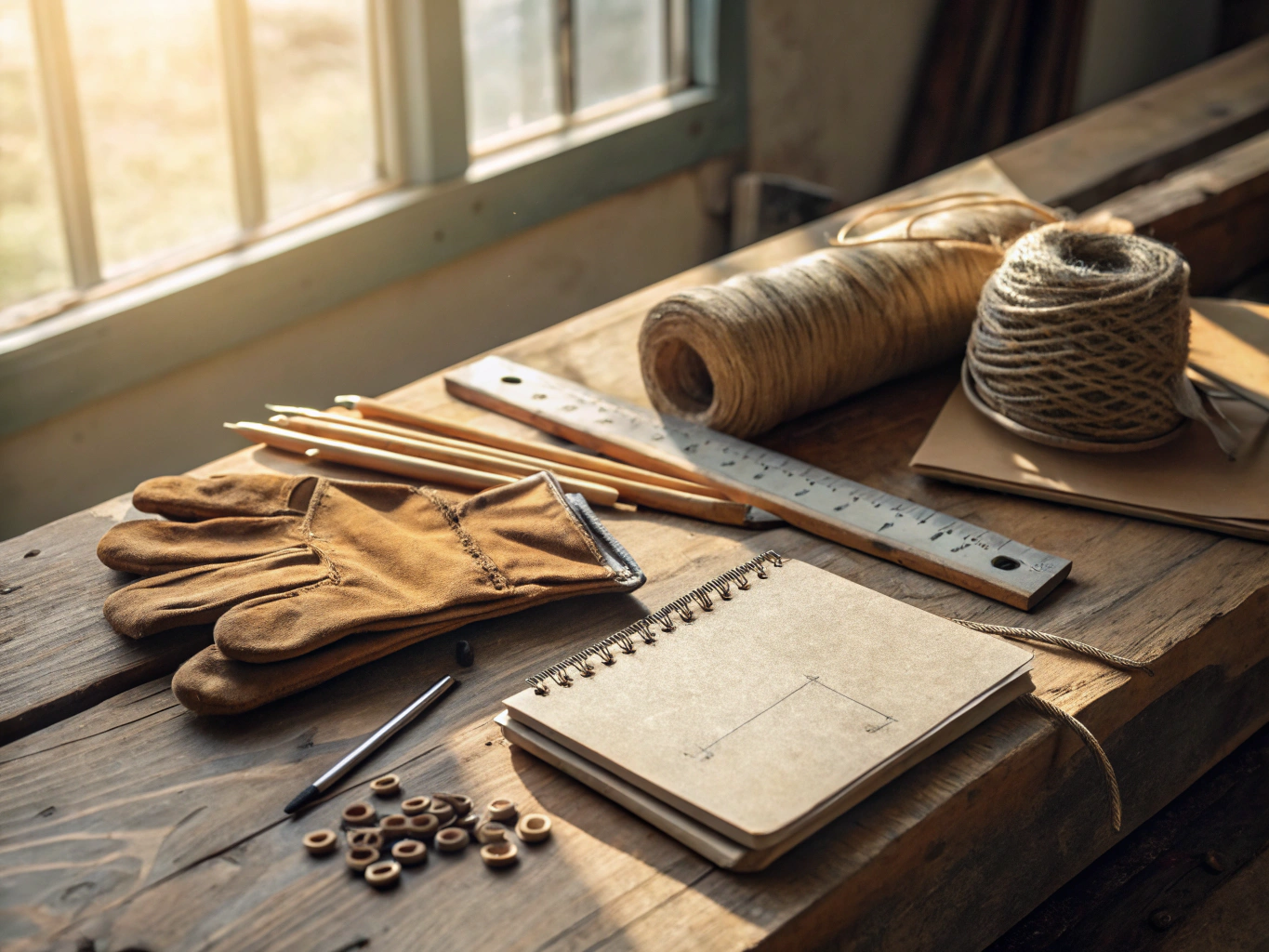
Essential Tools Every DIY Enthusiast Needs
Whether you’re a seasoned hobbyist or just starting out, understanding the basics of diy or dyi projects can transform the way you approach home improvement and creative tasks. If you’re curious about the nuances and want to see how professionals handle these challenges, check out how Roomix approaches diy or dyi challenges. Equipping yourself with the right tools is the first step toward success in any DIY endeavor.
The Foundation: Basic Hand Tools
No DIY toolkit is complete without a solid set of hand tools. These are the essentials that allow you to do everything from assembling furniture to minor repairs around the house.
1. Hammer
A sturdy claw hammer is indispensable. It’s perfect for driving nails, removing them, and even light demolition. Choose one with a comfortable grip and balanced weight for better control.
2. Screwdrivers
A set of screwdrivers with various head types, including Phillips and flathead, will cover most fastening needs. Magnetic tips can be particularly handy for holding screws in tight spaces.
3. Tape Measure
Accuracy is key in any project, and a reliable tape measure ensures your cuts and installations fit perfectly. Look for one with a locking mechanism and clear markings.
Power Up: Essential Power Tools
While hand tools are vital, power tools can drastically increase efficiency and precision, especially for larger or more complex projects.
1. Cordless Drill
A cordless drill is arguably the most versatile power tool. It allows you to drill holes and drive screws with ease. Opt for one with adjustable speed settings and a rechargeable battery for convenience.
2. Jigsaw
For cutting curves and intricate shapes in wood, plastic, or metal, a jigsaw is invaluable. It’s lightweight and easy to control, making it perfect for detailed work.
3. Orbital Sander
Sanding is often a tedious task, but an orbital sander can make it quicker and smoother. It’s ideal for prepping surfaces before painting or staining.
Safety First: Protective Gear
DIY projects can be fun, but safety should never be overlooked. Having the right protective equipment helps prevent injuries and keeps the work environment safe.
1. Safety Glasses
Protect your eyes from dust, debris, and accidental splinters with a good pair of safety glasses. Choose ones that fit comfortably and offer clear visibility.
2. Work Gloves
Durable gloves shield your hands from cuts, blisters, and harmful substances. Look for gloves that provide flexibility without sacrificing protection.
3. Dust Mask
When sanding or working with materials that generate dust, a dust mask can protect your lungs and respiratory system.
Organization and Maintenance
Having the tools is one thing, but keeping them organized and well-maintained ensures they’re ready whenever you need them.
1. Toolbox or Storage System
A sturdy toolbox or dedicated storage system helps you keep tools organized, easy to find, and protected from damage.
2. Sharpening Tools
Regularly sharpening blades and drill bits prolongs their lifespan and improves performance. Invest in a quality sharpening stone or electric sharpener.
Conclusion
Starting your DIY journey requires more than enthusiasm—it demands the right set of tools to bring your projects to life efficiently and safely. From basic hand tools like hammers and screwdrivers to power tools such as cordless drills and orbital sanders, each plays a crucial role in your toolkit. Don’t forget to prioritize safety gear and maintain your tools to ensure longevity and sustained performance. With these essentials, you’ll be well-equipped to tackle almost any DIY project that comes your way.